


This how-to business book that teaches methodology on home performance based selling is a collaboration between Arne Raisanen and Mark Graham Communications.
Hiring a ghostwriter is a good idea for anyone who has a valuable, interesting story to tell – and not only because you may not have writing skill or the necessary time to accomplish your goal.
Here are several reasons why hiring a ghostwriter might be the ideal solution for you if you’ve thought about writing a novel, biography, business book, self-help book, or screenplay and don’t quite know where to start:
1. A ghostwriter has publishing experience
You might be a fine writer, but if you’re trying to get a piece published and have no publishing experience, a ghostwriter can help you tailor your work to make it more attractive to a publisher.
2. A ghostwriter can help you make more time for other things
Let’s say you’ve got a great idea for a self-help book, but other commitments have a lock on the majority of your time. A ghostwriter can help you meet your obligations and get your book done by freeing you from the many time-consuming aspects that all successful writing projects require.


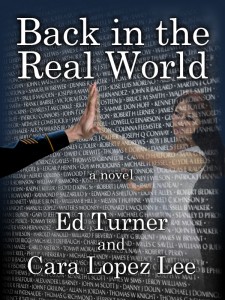
 Writing books isn’t just for the literary-inclined. The old saying may go “if you want something done right, do it yourself,” but in today’s world, if you want to publish a book, you’ve got more options than chaining yourself to a computer. By collaborating with a ghostwriting service, your ideas, visions, or dreams can be shared with the world in a polished, professional book, giving you an air of credibility as an expert in your field. From business books to biographies, self-help books to
  Creating a specific voice for any writing project is a great strategy for successful writing. What is a voice? In writing terms, it means choosing your words carefully to create a distinctive personality. You want your readers to feel like they are interacting with a real live person, with a rich history and even personality quirks.
  When you embark on your writing adventure, one of the key factors to consider is your audience. Who will be reading what you have written? Who are you addressing? Depending on the type of project you have in mind, the answers to these questions may be different. Every piece of writing has an audience; you may be writing for a general group of readers, a select few individuals, or even just for yourself.